
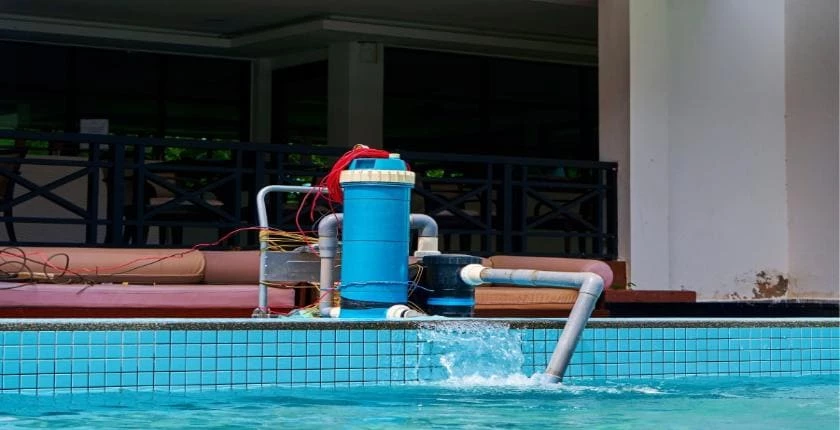
Swimming Pool Filtration
Get in touchAt AquaCraft Pools, we design, supply, and install swimming pool filtration systems tailored to properties across . Whether for a new pool installation or an upgrade to an existing setup, effective filtration is essential for maintaining clean, safe, and visually clear water year-round.
Swimming pool filtration plays a critical role in preventing debris buildup, algae growth, and harmful bacteria. We work with homeowners, facility managers, and commercial operators to deliver filtration solutions matched to pool size, usage levels, and operational requirements, using reliable, energy-efficient, and modern systems.
Why Is Effective Swimming Pool Filtration Essential?
Effective swimming pool filtration is vital for maintaining water quality and protecting swimmer health. Filtration systems remove debris, fine particles, and organic contaminants while supporting chemical balance and circulation.
Without proper filtration, pool water can quickly become cloudy, unhygienic, and damaging to pool surfaces and equipment. In commercial and public facilities, reliable filtration is also a compliance requirement under health and safety regulations.
How Much Does It Cost to Install or Upgrade Pool Filtration Systems?
The cost of installing or upgrading swimming pool filtration systems ranges from £1,000 to £4,000+, depending on pool size, filter type, system capacity, and automation requirements.
Costs are mainly influenced by whether the installation is residential or commercial, the choice of filter media, pump specification, plumbing adjustments, and control systems. Energy-efficient and automated systems may carry higher upfront costs but offer long-term operational savings.
Contact AquaCraft Pools to receive customised pricing based on your pool setup and filtration needs.
What Types of Pool Filtration Systems Are Used Across ?
Swimming pools across commonly use several filtration system types, including:
Sand filters – Durable and cost-effective, ideal for larger pools and high-use environments.
Cartridge filters – Provide finer filtration with easy cleaning, well suited to residential pools.
Diatomaceous earth (DE) filters – Offer the highest level of filtration, typically used in premium or commercial applications.
Multi-filter systems – Designed for large or commercial pools requiring higher flow rates and redundancy.
Glass media filters – Use recycled glass for improved filtration efficiency and reduced backwashing.
Drum and rotary filters – Automated systems often used in high-capacity or specialist pool installations for continuous debris removal.
Do Filtration Services Cover Sand, Cartridge, and DE Systems?
Swimming pool filtration specialists install, repair, and maintain all major filter types, including sand, cartridge, and DE systems.
System selection is based on pool volume, bather load, usage frequency, and operational goals. Many providers also supply replacement components and scheduled servicing to maintain optimal performance.
How Often Should Pool Filtration Systems Be Serviced?
Pool filtration systems typically require servicing every 6 to 12 months, depending on usage and system type.
Sand media usually needs replacement every five years, while cartridge elements are commonly replaced annually or bi-annually. Routine servicing helps maintain circulation efficiency, prevent equipment failure, and extend system lifespan.
What Are the Signs of a Faulty Pool Filtration System?
Common signs of a faulty or underperforming pool filtration system include:
Cloudy or murky water – Indicates insufficient removal of fine particles and contaminants.
Reduced water circulation – Results in poor filtration and uneven chemical distribution.
Rising pressure gauge readings – Suggests blockages or clogged filter media.
Unusual pump noises – May point to air locks, blockages, or mechanical wear.
Persistent debris in the pool – Indicates the filter is not capturing contaminants effectively.
Increased chemical usage – Often a response to poor filtration and water imbalance.
Frequent algae growth – Signals inadequate circulation and filtration performance.
Are Energy-Efficient Pool Filtration Systems Available?
Energy-efficient swimming pool filtration systems are widely available, which include variable-speed pumps, low-resistance filters, and high-flow cartridge systems designed to reduce electricity consumption while maintaining performance.
Many modern systems also use durable or recyclable materials, supporting sustainability and lowering long-term operating costs.
What Maintenance Plans Are Available for Pool Filtration Systems?
Maintenance plans for swimming pool filtration systems typically include:
Annual inspection services – Routine system checks to assess performance and wear.
Scheduled filter cleaning – Removal of debris and buildup to maintain filtration efficiency.
Filter media replacement – Sand, cartridge, glass, or DE media changes as required.
Performance and flow testing – Ensures correct circulation rates and system operation.
Water quality and chemical checks – Supports balanced, hygienic pool water.
Emergency call-out support – Rapid response for unexpected faults or breakdowns.
Can Swimming Pool Filtration Systems Be Automated?
Swimming pool filtration systems can be automated using timers, sensors, and smart control panels.
Automation allows for consistent water turnover, optimised operating schedules, and remote monitoring through digital interfaces. This is particularly beneficial for commercial pools, holiday properties, and facilities requiring consistent water quality management.
Contact AquaCraft Pools to discuss swimming pool filtration systems and servicing.