Swimming Pool Waterproofing
Get in touchAt AquaCraft Pools, we provide professional waterproofing solutions for residential and commercial pools and across the UK.
Our work protects pool structures from water loss, chemical erosion, and long-term damage caused by moisture infiltration. Each system is applied with precision to ensure the pool shell remains watertight, stable, and durable under the environmental and usage conditions found.
Why Do Pools Require Dedicated Swimming Pool Waterproofing?
Swimming pool waterproofing prevents water from escaping through the shell, protecting the surrounding ground and structural framework from erosion, dampness, and instability.
A reliable waterproofing layer also shields tiles, coping, and finishes from chemical staining or deterioration. Pools benefit from enhanced protection due to variations in soil conditions, changing temperatures, and chemical exposure that can accelerate cracking or seepage without proper treatment.
What Waterproofing Systems Are Commonly Used for Pools?
Swimming pool waterproofing is performed using several high-performance methods, including:
Cementitious coatings – Bonded layers that integrate with concrete shells for crack resistance.
Liquid polyurethane membranes – Flexible coatings ideal for thermal movement.
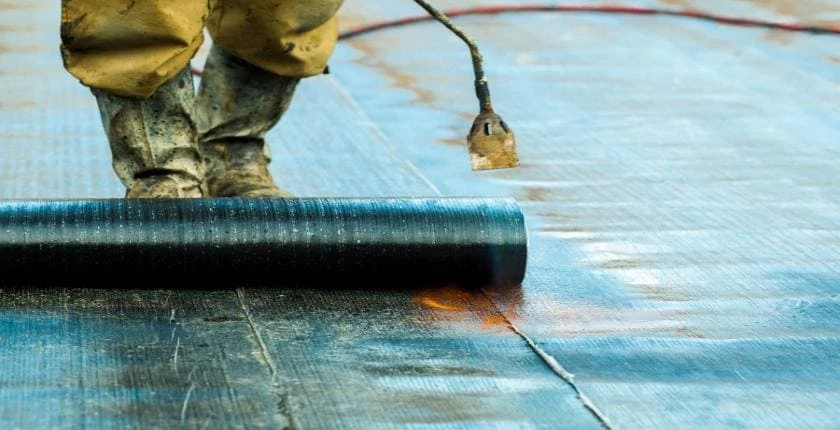
Bitumen-based membranes – Durable options for underground or high-moisture zones.
Reinforced PVC membranes – Strong, adaptable surfaces suited to irregular pool shapes.
Waterproof renders and slurries – Installed beneath tile finishes to maintain watertight integrity.
How Much Does Swimming Pool Waterproofing Cost?
The cost of swimming pool waterproofing ranges from £2,000 to over £8,000 depending on the pool’s size, construction material, condition, and the chosen waterproofing system.
Costs are primarily influenced by preparation needs, repair work for cracks or weakened surfaces, the type of membrane or coating chosen, and the number of protective layers applied to achieve full watertightness.
Contact AquaCraft Pools to get customised prices for swimming pool waterproofing at your property.
Is Waterproofing Necessary for Both New and Existing Pools?
Swimming pool waterproofing is essential for both newly built and older pools. New pools require a dedicated waterproofing layer as part of construction to ensure long-term durability.
Existing pools experiencing issues such as water loss, efflorescence, flaking surfaces, or visible cracking benefit from retrofitted waterproofing systems that restore stability and prevent further deterioration.
Can Cracks and Leaks Be Repaired During Swimming Pool Waterproofing?
Swimming pool waterproofing includes sealing cracks and repairing leaks before applying the main membrane.
Technicians conduct pressure tests, dye tests, or electronic leak detection to identify weak areas. Repairs may involve epoxy injections, hydraulic cement, or flexible polyurethane sealants, ensuring the substrate is stable before waterproofing is installed.
How Long Does Swimming Pool Waterproofing Last?
Swimming pool waterproofing generally lasts between 8 and 20 years depending on the membrane type, environmental exposure, pool usage, and maintenance routines.
Cementitious systems may require refreshment every decade, while reinforced membranes can last 15 years or more with proper upkeep and stable water chemistry.
Do Waterproofing Services Cover Both Structural and Surface Sealing?
Swimming pool waterproofing typically includes full structural and surface sealing, which involves treatment of expansion joints, pipe penetrations, light niches, and skimmer boxes—areas highly susceptible to leakage.
Surface repairs, cleaning, and bonding treatments ensure strong adhesion of the waterproofing system and long-term resistance to chemical and thermal stress.
Which Waterproofing Materials Perform Best in the Climate of ?
Swimming pool waterproofing relies on materials that can withstand environmental stresses, including:
Flexible cementitious membranes – Ideal for concrete shells needing crack-bridging capability and resistance to freeze–thaw cycles.
Polyurethane liquid membranes – Highly elastic solutions suited to areas with significant temperature variation or structural movement.
Reinforced PVC membranes – Durable, adaptable materials recommended for pools exposed to hydrostatic pressure or shifting soil conditions.
UV-resistant coatings – Designed for outdoor pools experiencing prolonged sunlight exposure.
Chemical-resistant waterproof slurries – Suitable for pools requiring strong protection against fluctuating water chemistry.
What Maintenance Is Recommended After Swimming Pool Waterproofing?
Swimming pool waterproofing requires regular visual inspection, balanced water chemistry, and routine checks on expansion joints, fittings, and surrounding surfaces.
Areas with exposed membranes may need periodic protective recoating, while tiled finishes may require grout maintenance to preserve the waterproof layer beneath.
Are Waterproofing Solutions Available for Both Indoor and Outdoor Pools?
Swimming pool waterproofing can be applied to indoor and outdoor pools using products suited to each environment.
Indoor pools may require vapour-resistant coatings to handle humidity, while outdoor pools benefit from UV-resistant and flexible membranes that adapt to weather and seasonal conditions.
Contact AquaCraft Pools for a consultation on swimming pool waterproofing for your property.
Get in touch
Skip to
Gallery